
A Randomized Controlled Trial of a Scalable Parenting Program to Support Brain, Autonomic, and Socio-Emotional Development in Preterm Infants
Funded by the Eunice Kennedy Shriver National Institute of Child Health and Human Development (NICHD)
This 5-year R01 will examine whether providing parents with web-based support during the critical weeks and months after premature infants leave the hospital strengthens early brain development linked to emotional and mental health. We will use EEG, MRI, and neurophysiological recordings to map the development of neural systems that support socio-emotional development and mental health and test the effects of remotely delivered parenting programs across the first year of life.
Project Status: Actively Recruiting

Using Wearable Technology to Understand Social-Emotional Development and Brain Plasticity in Babies Born Prematurely
Supported by a Research Innovation Scholarly Engagement (RISE) Award from the University of Houston Division of Research
This study examines how early brain development and behavior unfold following premature birth and what may signal later risk or resilience. Using baby-friendly wearable EEG and heart-rate monitors, we study development of the affective pathways of the nervous system, or “social brain,” between 6 and 18 months of age. We combine these measures with assessments of early social, emotional, and behavioral development and family factors that may support healthy development.
Project Status: Actively Recruiting
Integrated EEG-fMRI Platforms to Drive Future Clinical and Developmental Neuroscience Discoveries at UH
Supported by a DOR Equipment Grant at the University of Houston
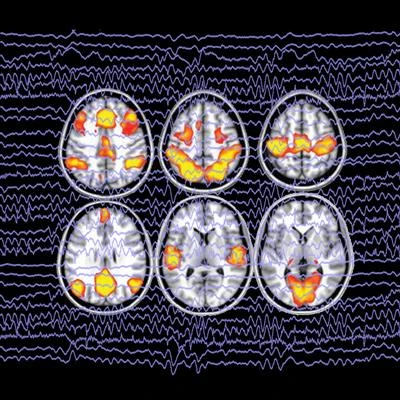
This project will purchase equipment to establish the feasibility of collecting high-quality simultaneous EEG-fMRI data in naturally sleeping infants who vary in prematurity status. The project will establish a scalable multimodal imaging framework for understanding neurodevelopment in early childhood and generate feasibility and pilot data to support planned external awards.
Project Status: Actively Recruitng
BESTIE Study: Brain and Early Socio-Emotional Trajectories of Infant Experiences
Supported by a Research Progress Grant Award from the University of Houston
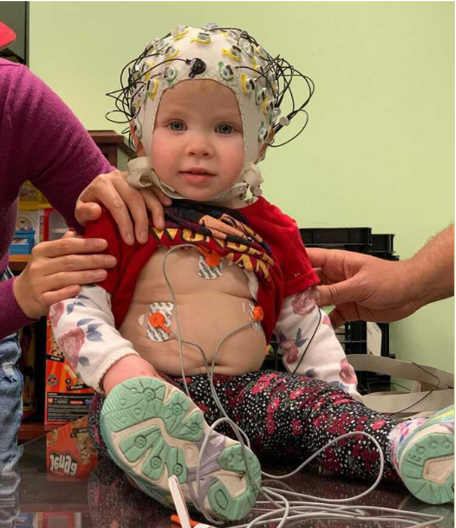
The BESTIE Study explores how infants’ brains and bodies respond to real-world social experiences with their caregivers. Using mobile EEG and wearable heart monitors, we capture neural and physiological activity during playful interactions and brief stressors such as separations and reunions. These measures are paired with observations of parent-child behavior and caregiver reports to examine how early caregiving shapes emerging emotional and self-regulatory skills.
Project Status: Actively Recruiting
Adapting the ABC Program for LMICs: Dhaka, Bangladesh
Supported by internal funding from the University of Houston
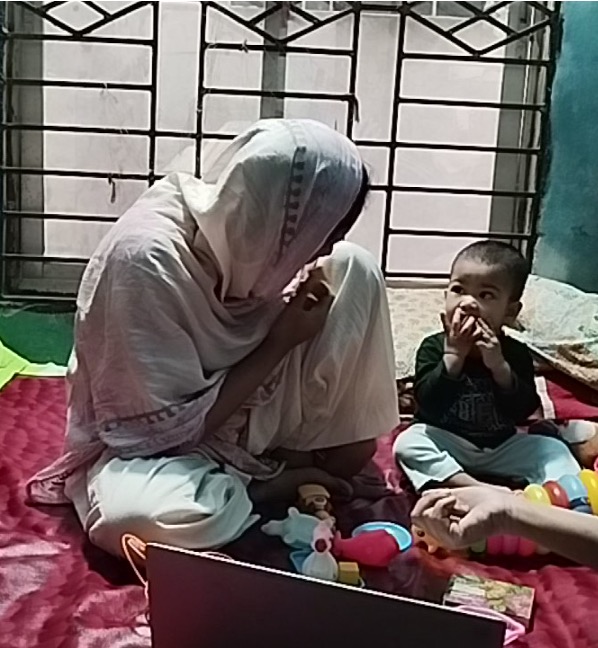
This international collaborative study examines implementation of the Attachment and Biobehavioral Catch-up (ABC) intervention with families living in poverty in Bangladesh. The project examines whether the intervention can improve caregiver sensitivity, reduce risk for child maltreatment, and support healthy infant development. We also examine infant physiological functioning and indicators of early brain development to better understand how responsive caregiving supports emotional and biological resilience.
Project Status: Dissemination

Brain-PALS Study for Toddlers Born Preterm
Supported by NIH funding awarded to Dr. Landry and Dr. DeMaster at UTHealth and Dr. Bick at UH
LEED and collaborators at the Children’s Learning Institute are conducting a longitudinal randomized clinical trial examining whether the remotely delivered Play and Learning Strategies (PALS) parenting program supports healthy brain and behavioral outcomes in toddlers born prematurely. At UH, we examine brain function associated with attention and emotional processing using EEG and measures of heart rate.
Project Status: Analysis and Dissemination

Women’s Experiences and Baby Brain (WOMBS) Study
Funded by the University of Houston Division of Research
The WOMBS Study is a collaborative project between the University of Houston, Baylor College of Medicine, and Texas Children’s Hospital. The study examines how maternal experiences and health during and before pregnancy influence fetal brain development and later infant cognitive and social development.
Project Status: Analysis and Dissemination

Syrian Refugee Study
Funded by the University of Houston Division of Research
In collaboration with Dr. Samina Salim at UH, this study examines the development and adjustment of Syrian refugee children and families resettled in Houston. We examine behavioral, physiological, cognitive, and neural measures to identify factors associated with risk and resilience following experiences of war, discrimination, and resettlement.
Project Status: Analysis and Dissemination

Resilience After Harvey Study
Supported by NIH funding awarded to Dr. Aagaard and Dr. Bick
The Resilience After Harvey Study examines how prenatal experiences influence preschool brain and behavioral development among children whose mothers experienced varying levels of pregnancy stress surrounding Hurricane Harvey. The project integrates measures of stress, biological processes, brain development, and neurocognitive functioning to better understand pathways to resilience.
Project Status: Analysis and Dissemination

PANDA Study: Preschool, Neurodevelopment, and Adjustment
Supported by funding from the University of Houston Division of Research
The Preschool, Neurodevelopment, and Adjustment (PANDA) Study examines how early life events and family environments influence children’s brain and behavioral development. The study combines measures of emotional and behavioral regulation with EEG, fNIRS, and MRI to investigate how early experiences shape neurodevelopment related to emotional and cognitive development.
Project Status: Analysis and Dissemination

Hurricane Harvey Mom Study
The Hurricane Harvey Mom Study examines whether stress experienced during pregnancy in response to Hurricane Harvey is associated with pregnancy outcomes and children’s neurodevelopmental trajectories. The study follows mothers who were pregnant during Hurricane Harvey and examines maternal stress, mental health, developmental outcomes, and protective factors that may inform future prevention and intervention efforts.
Project Status: Analysis and Dissemination